

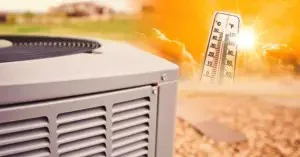
When a heatwave hits Connecticut, your air conditioner becomes the most important appliance in your home. These extended periods of high heat and humidity force your cooling system to work much harder and longer than usual. This constant operation can lead to increased wear and tear, higher energy bills, and the risk of a sudden breakdown. Understanding how to support your system during these peak times can help keep your home comfortable while protecting your equipment from unnecessary stress.
If your air conditioner is struggling to keep up with the summer heat, don't wait for it to fail completely. Contact All American Heating & Air Conditioning today at (475) 219-2216 or reach out through our online contact form for prompt, friendly assistance to keep your family cool.
1. Optimize Your Thermostat Settings
Many homeowners believe that setting the thermostat to a very low temperature will cool the house faster. In reality, your AC blows air at the same temperature regardless of the setting; a lower number simply tells it to run longer. During a heatwave, the gap between the outdoor temperature and your indoor setting is what creates "strain." The smaller that gap, the less work your system has to do.
Consider a small "setback" when you are away or sleeping. Raising the temperature by just 2 to 5 degrees can provide a significant break for your compressor. If you have a programmable thermostat, you can automate these changes so your home is still cool by the time you arrive. This prevents the system from cycling on and off too frequently during the hottest parts of the day.
- Aim for 78°F: This is often cited as a balance between comfort and efficiency during peak heat.
- Avoid "Cranking" It Down: Dropping the temp to 65°F won't cool the room faster and may cause the coils to freeze.
- Use Auto Mode: Ensure the fan is set to "Auto" rather than "On" to allow the system to dehumidify properly.
2. Block Out the Sun with Window Coverings
The sun’s rays can turn your living room into a greenhouse very quickly. This is known as "solar heat gain," and it accounts for a large share of the heat your AC has to fight. If your windows are letting in direct sunlight, your cooling system has to work twice as hard to neutralize that extra energy.
Keeping your blinds, curtains, or shades closed during the day is one of the simplest and most effective ways to reduce AC strain. This is especially important for windows that face East in the morning and West in the afternoon. By blocking the heat before it enters your home, you allow the air conditioner to focus on maintaining a steady temperature rather than fighting a constant heat source.
- Close South and West Blinds: These sides of the house receive the most intense heat during the day.
- Use Reflective Backings: Curtains with light-colored or reflective backings are best at reflecting heat.
- Check for Drafts: While the blinds are closed, feel for hot air leaking in around the window frames.
3. Leverage the Power of Ceiling Fans
Ceiling fans do not actually lower a room's temperature, but they can make people feel cooler through the "wind-chill effect." This allows you to raise your thermostat by a few degrees without losing comfort. Because a ceiling fan uses a fraction of the energy that an air conditioner does, it is a great partner for your HVAC system during a heatwave.
Make sure your fans are rotating in the correct direction for the season. In the summer, blades should spin counter-clockwise to push a cool breeze directly downward. When air moves across your skin, moisture evaporates faster, which helps your body naturally stay cool. This simple trick can take the "heavy lifting" off your air conditioner.
- Check the Switch: Most fans have a small toggle switch on the motor housing to change direction.
- Turn Off When Gone: Fans cool people, not rooms; turn them off when you leave to save electricity.
- Clear the Path: Ensure the fan blades are clean and not blocked by tall furniture to maximize airflow.
4. Maintain Clear Airflow and Filters
Your air conditioner needs to "breathe" to work efficiently. If the air filter is clogged with dust or pet hair, the blower motor has to work much harder to pull air through the system. During a heatwave, when the system runs nearly 24/7, a dirty filter can cause overheating or even a frozen evaporator coil.
It is also important to check the outdoor unit, known as the condenser. If it is surrounded by tall grass, weeds, or debris, it cannot effectively release the heat it pulled from your home. Keeping this area clear ensures that the heat exchange process happens as quickly and easily as possible. Regular AC maintenance before the peak season is the best way to ensure these components are ready for the stress of a heatwave.
- Change Filters Monthly: During high-use summer months, filters get dirty much faster than in the spring.
- Clear 2 Feet of Space: Keep the outdoor unit free of clutter, plants, and mulch for at least two feet on all sides.
- Vacuum Vents: Ensure that indoor return and supply vents are not blocked by curtains, rugs, or furniture.
5. Minimize Indoor Heat Sources
Your AC isn't just fighting the weather outside; it's also fighting the heat you create inside. Large appliances like ovens, dishwashers, and clothes dryers generate significant heat and humidity. Using these items during the hottest part of the day forces your air conditioner to work overtime to keep up.
To reduce the load on your system, try shifting these activities to the early morning or late evening, when outdoor temperatures are lower. Even small things, like taking shorter showers or using a microwave instead of the stove, can make a noticeable difference in how hard your AC has to work.
- Cook Outdoors: Use the grill to keep cooking heat out of the kitchen.
- Air Dry Dishes: Turn off the heated dry cycle on your dishwasher.
- Switch to LEDs: Traditional incandescent light bulbs give off 90% of their energy as heat; LEDs stay cool.
Protecting Your Home's Comfort
A heatwave is a marathon for your HVAC system. By following these practical steps, you are essentially helping your air conditioner "pace itself" so it can finish the race without a breakdown. These habits not only reduce the risk of mechanical failure but also help manage your utility costs during the most expensive months of the year.
If you notice your system making strange noises, frequent cycling, or if it simply can't get the temperature down to a reasonable level, it’s best to have a professional take a look. Early intervention can prevent a small strain from becoming a major repair.
Don't let the Connecticut humidity get the best of your home. If you need help staying cool, contact All American Heating & Air Conditioning at (475) 219-2216 or visit our contact page to speak with a cooling expert today.