


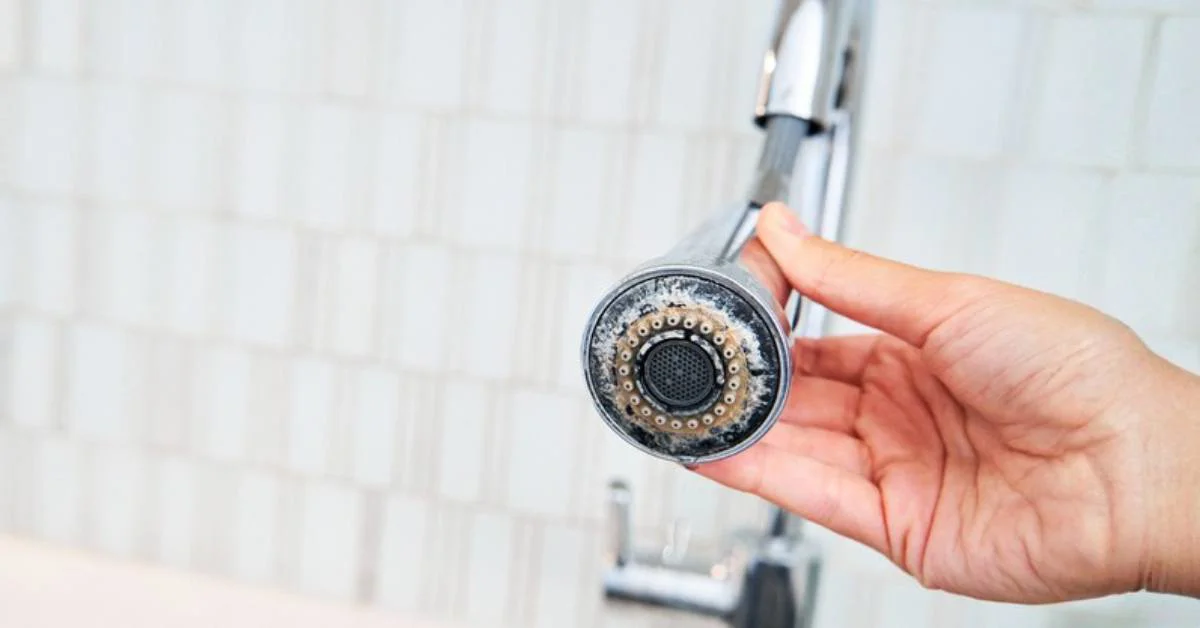
Many homeowners in Connecticut deal with white, crusty spots on their faucets or cloudy glasses after a dishwasher cycle. These aren't just cosmetic nuisances; they are signs of "hard water." Hard water is simply water that contains high levels of dissolved minerals, specifically calcium and magnesium. While these minerals are generally safe for you to drink, they can be incredibly tough on your pipes, faucets, and expensive household appliances over time.
If you notice signs of mineral buildup or a drop in water pressure, don't let the problem get worse or more expensive to fix. Reach out to our friendly team at All American Heating & Air Conditioning today by scheduling an appointment online or calling (475) 219-2216 so we can help you protect your home.
What Exactly is Hard Water?
To understand the impact on your home, it helps to know what is happening inside your pipes. As groundwater travels through the soil and rocks in Connecticut, it picks up minerals along the way. When water has a lot of these minerals, we call it "hard." The most common side effect of hard water is "scale," a hard, chalky deposit that forms when water evaporates or is heated.
Think of scale like a slow-moving clog. It doesn't happen overnight, but layer by layer, these minerals attach themselves to the insides of your plumbing system. Over the years, this buildup can restrict water flow and make it harder for your home to function properly.
- Calcium: The main ingredient in the white crust you see on showerheads.
- Magnesium: Works with calcium to create stubborn "soap scum."
- Scale: The technical name for the stony buildup left behind by these minerals.
How Hard Water Damages Your Plumbing System
Your pipes are the veins of your home, and hard water acts a bit like cholesterol. As scale builds up inside copper or galvanized pipes, the opening for water to pass through becomes smaller and smaller. This leads to a noticeable drop in water pressure, making your morning shower feel much less refreshing than it used to be.
Beyond just low pressure, this mineral buildup can cause physical damage to your fixtures. Faucets can become difficult to turn, and valves that are supposed to stop water flow might start to leak because the minerals prevent a tight seal. Keeping your plumbing in good health often starts with addressing what is actually inside the water flowing through it.
- Corrosion: Over time, mineral deposits can cause deterioration of certain pipe materials.
- Fixture Failure: Showerheads and sink aerators often clog completely, requiring replacement.
- Clogged Drains: Scale can catch hair and soap more easily, leading to more frequent backups.
The Impact on Your Water Heater
Perhaps the biggest victim of hard water in a Connecticut home is the water heater. When hard water is heated, the minerals settle out of the water very quickly. In a traditional tank-style heater, these minerals sink to the bottom, forming a thick layer of "sediment." This layer acts like a blanket between the burner and the water, so your heater has to work much harder and run longer to heat your water.
This extra work doesn't just raise your energy bills; it can also shorten the unit's lifespan. The constant overheating of the tank bottom can cause the metal to fatigue and eventually leak. Regular maintenance and addressing water hardness are key to protecting your water heaters from an early trip to the landfill.
- Lower Efficiency: You pay more in monthly utility costs for the same amount of hot water.
- Popping Noises: If you hear a "rumbling" or "popping" sound from your tank, it’s often steam bubbles escaping from under the sediment layer.
- Slow Recovery: It takes longer for the tank to warm back up after someone showers.
Why Your Appliances Are Wearing Out Faster
Your dishwasher and washing machine are significant investments, but hard water can cut their lives short. The same scale that clogs your pipes also builds up on the heating elements and internal pumps of these machines. When a heating element is coated in scale, it can eventually burn out because it cannot dissipate heat into the water effectively.
Additionally, minerals interfere with the way detergents work. In hard water, soap doesn't lather well; instead, it forms a sticky curd. This is why clothes might feel stiff or look dull after being washed, and why your dishwasher might leave a film on your plates.
- Washing Machines: Pumps have to work harder to move water, which can lead to mechanical failure.
- Dishwashers: Spray arms get clogged with minerals, so dishes don't get cleaned properly.
- Coffee Makers: Small internal lines are easily blocked by even a tiny amount of scale.
Signs You Might Have a Hard Water Problem
If you aren't sure if your home has hard water, there are several "red flags" you can look for during your daily routine. Since water quality can vary significantly across towns in Connecticut, your experience might differ from someone just a few miles away.
- Dry Skin and Hair: The minerals and soap scum left behind can strip moisture from your skin and make hair feel brittle.
- Frequent Repairs: If you find yourself calling a plumber for leaks or clogs more often than usual.
- Stiff Laundry: Towels that feel like sandpaper are a classic sign of mineral heavy water.
- Spots on Glass: Finding it impossible to get your wine glasses or shower doors clear.
How to Protect Your Home
The good news is that you don't have to just live with the effects of hard water. There are several ways to manage the mineral content in your home. The most common solution is a water softener, which uses a process called "ion exchange" to replace the hardness minerals with tiny amounts of sodium or potassium.
By removing minerals before they enter your pipes and appliances, you prevent damage before it starts. This can lead to softer skin, cleaner dishes, and a much longer life for your water heater and plumbing fixtures.
- Water Testing: The first step is knowing exactly what is in your water.
- Whole-House Softeners: These treat all the water coming into your home for total protection.
- Regular Flushing: Periodically draining your water heater can help remove some of the settled sediment.
Partner with All American Heating & Air Conditioning for Better Water
At All American Heating & Air Conditioning, we understand the unique challenges Connecticut homeowners face with water quality. We believe that a healthy home starts with a plumbing system that runs efficiently and is free of damaging mineral buildup. Our team is ready to help you evaluate your home's needs and provide honest, practical advice on the best path forward.
If you are ready to stop the scale and protect your home's plumbing, contact our team today at (475) 219-2216 or visit our contact page to schedule a consultation. We are here to help you keep your water flowing clear and your appliances running strong.